
The roof sits on the critical path of almost every commercial job, and a general contractor feels it when the dry-in date slips. Drywall cannot start under an open deck, mechanical rough-in waits on curbs, and a wet week in the wrong month can add days to every trade that follows. A West Jordan, UT, project also carries Salt Lake Valley winter exposure, where snow and freezing nights narrow the weeks when adhesives and welds cure well. We work as the roofing sub a superintendent can plan around: clear submittals, firm start dates, a crew that coordinates with the trades above and below, and paperwork that closes the roof out without a chase.
Dry-in dates and what they depend on
A dry-in date means more than a promise. It depends on deck readiness, insulation delivery, curb placement, weather and access for the lift or crane. We ask for those items at the preconstruction meeting and tell the superintendent which ones can move the date. If the deck is not inspected, insulation cannot go down. If rooftop units are not set, curbs cannot be flashed. Naming those dependencies early gives the schedule a realistic roof line.
When a roof goes in during cold months, we plan for it: cold-weather adhesives, heated storage for materials, tarps over completed areas and daily dry-in at quitting time. A building shell with a closed roof lets interior trades proceed while the weather stays outside.
Insulation and cover board deserve a line in the schedule too. Boards that sit outside in snow absorb water, and wet insulation under a new membrane becomes a problem that surfaces within a year. We stage materials under cover, check moisture at install, and refuse to close in an area with wet substrate. Our insulation and cover board work follows the energy provisions in the spec.
Trade coordination on a crowded roof
A new roof rarely belongs to the roofer alone. Mechanical contractors set units and run lines, electricians run conduit, plumbers bring vents through, fire protection adds penetrations and low-voltage trades mount antennas. Each one cuts or crosses the membrane, and the order of operations matters. Curbs and sleeves go in before the membrane, and equipment gets set after curb flashing is complete.
We attend coordination meetings, mark penetration locations on a roof plan and ask for a single point of contact for each trade. Our equipment curb and support work follows the mechanical schedule so that units are not set on curbs that are not finished. On a public project, where inspectors and records are stricter, that log carries extra weight. When a trade damages the membrane later, a photo log from our last walk shows the roof was sound at turnover.
Roof access rules protect the new sheet. After turnover, a walkway path and signs at each unit direct service technicians, and a log at the roof hatch records visits. Those small steps keep warranty claims from turning into disputes over who walked where.
Submittals, mockups and inspections
Submittals for a roof package include product data, system details, wind and fire ratings, warranty forms and shop drawings for edge metal. We prepare them in the sequence the architect expects and respond to comments quickly, since a late approval holds up ordering. Mockups at a parapet or a curb corner give the architect and the owner a chance to approve the detail before it repeats across the roof.
Utah adopted the 2024 International Building Code and 2024 International Energy Conservation Code with amendments, effective July 1, 2026, so a project permitted under that edition needs roof assemblies that match its insulation and wind provisions. We read the spec for those requirements and flag conflicts before materials are ordered. Inspections by the manufacturer's rep or the owner's consultant are scheduled with the superintendent so the roof does not wait.
Product substitutions are another common wrinkle. If a specified material has a long lead time, we propose an equivalent with data that shows the same rating and warranty path, and we give the architect enough time to review it without stopping the roof.
Tenant improvements and occupied reroofs
Some of the work a general contractor handles is not new construction. A tenant improvement in an existing building often touches the roof: new rooftop units, relocated exhaust, added conduit. A reroof under an occupied building asks the same trades to coordinate with a tenant who is still working below. Our occupied building reroofing approach uses phased sections, interior protection and clear communication with the building manager.
If the owner uses a property management company, we align the roof schedule with their tenant notices. The superintendent gets the noisy hours in writing before they happen.
Change orders on roof work usually trace to concealed conditions: wet insulation under a membrane that looked fine, a deck with corrosion near a drain, or an unmarked abandoned curb. On an existing building we probe and core before bidding where access allows, and we state unit prices for wet insulation and deck repair so the contractor can pass a clear number to the owner when something turns up.
Growth areas and new construction
The city has set aside a southwest quadrant of about 1,700 acres for future growth, and four station-area districts sit in its plans besides. Bluffdale's plan calls for retail and flex-office development at Wardle Business Park and a city newsletter reports distribution development in Mountain View Business Park. New building shells in those areas will need roofs sized and detailed for their use, from retail pads to flex buildings.
Contractors working in the southwest quadrant or in Bluffdale can bring us in at design-assist stage, when drainage layout, insulation depth and curb locations are still easy to change. A change on paper costs little, and the same change after the deck is poured costs far more.
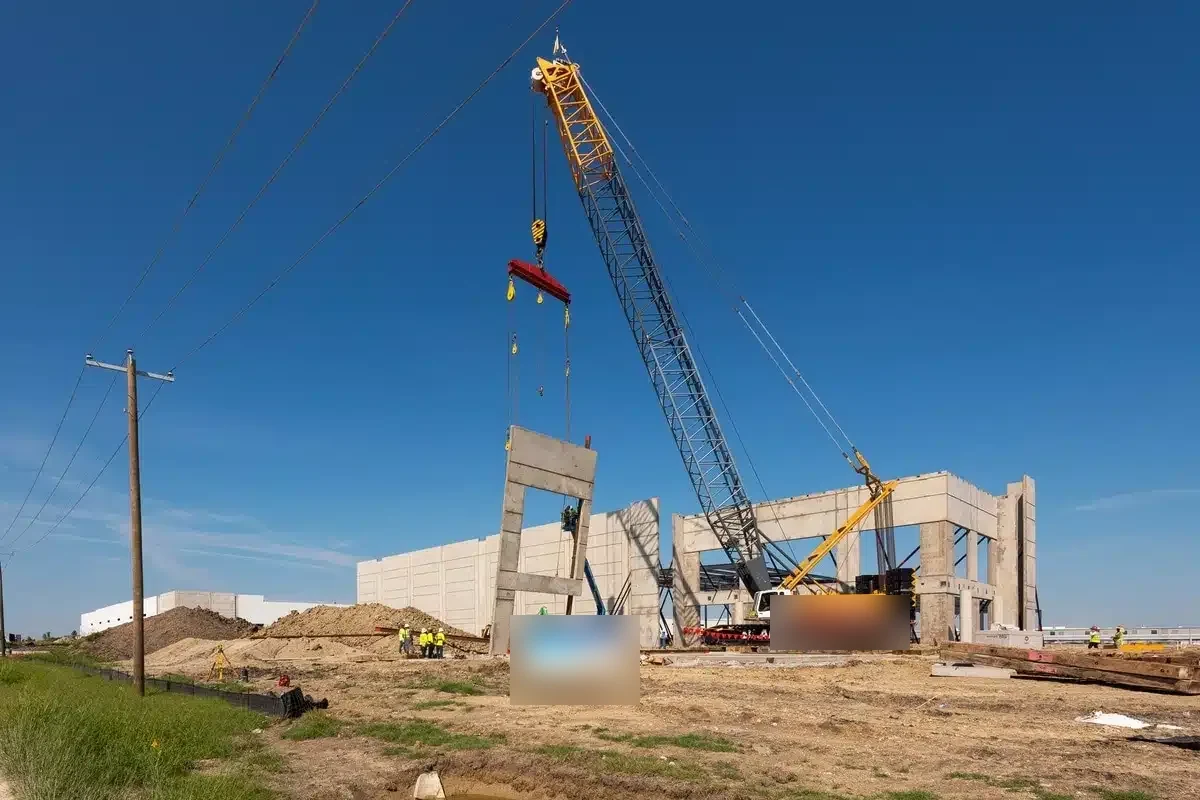
Early involvement also helps on logistics: where the crane sits, which side of the building takes deliveries, and how roof access is kept open while other trades work on the ground.
Close-out: warranty, as-builts and punch list
A roof is not complete until its paperwork is. At close-out we provide as-built details, a list of materials used, photos of concealed work and the manufacturer warranty documentation the specification requires. Our roof warranty management work tracks the steps a warranty needs, including final inspection and any maintenance conditions the owner must follow.
The punch list for a roof is short when the work has been checked along the way. Open items might include a missing sealant bead, an unfinished edge strip or a drain that needs cleaning after the last trade. We close them in one visit and send the superintendent a dated note. If a storm claim arises before turnover, our records also help an insurance adjuster separate construction-phase damage from later events.
Commercial Roofing Questions
Can you join the project at design-assist?
Yes. Drainage layout, insulation depth and curb locations are easier to change on paper, and we can review them before the deck goes in.
What do you need from the superintendent to hold a dry-in date?
An inspected deck, a crane or lift window, curb locations and a clear path for materials. We confirm each item at the preconstruction meeting.
How do you handle another trade damaging the roof?
We record the condition at turnover with photos, so repairs are traced to the cause and scheduled before the warranty inspection.
Do you prepare submittals?
We prepare product data, details and edge metal shop drawings in the order the architect needs them and revise them as comments arrive.
What about winter starts?
Cold-weather methods, heated material storage and daily dry-in make winter work possible. Some adhesives and welds still wait for a dry, moderate window.
How are hidden roof conditions priced on a remodel?
With unit prices for wet insulation, deck repair and extra flashing, set in the bid. The contractor then has a number ready when the tear-off exposes the condition.
Send the drawings and the dry-in date
Share the plans, the target schedule and the trades on the roof. We will review the details, say what has to be confirmed before the date is set, and plan the roof around your superintendent's sequence.