
A drip above a production line has two paths to manage: the path the water takes through the roof and the route people need to keep work moving below. Snowmelt and freezing nights make roof drainage worth checking after every thaw in West Jordan, UT, though the seam, curb or drain in front of us sets the repair. We begin at the reported area, mark the roof zone and note any equipment or process access that changes how a crew can reach it. West Jordan's economic development office emphasizes business attraction and retention, and its general plan provides for commercial and service uses across designated areas, so plants here share the city with offices and shops. We inspect the assembly, review earlier repairs and ask when a production area can be protected. For a complicated leak, a commercial roof inspection sets the next check before any repair is priced.
Keep the production boundary clear
Production equipment, exhaust lines and material handling can make a roof walk slower than it looks from the ground. We confirm what can be reached, what needs a lockout or an escort and which area below needs protection. The notes tie the roof section to the interior condition and the route between them. A stain alone does not set the repair line, particularly where insulation or a deck joint can carry water away from its entry point.
When the defect is limited, we mark the opening, check the adjacent membrane and decide whether a compatible patch will reach sound material. A repair plan should state the limits, the preparation and the closeout details, not simply a square footage. If the damage reaches a curb or a wall transition, that interface may need its own work. The repair scope can be phased around production, but each open area needs a safe dry-in before the shift or the weather window ends.
Curbs, exhaust and service penetrations
Equipment replacement can disturb a curb flashing even when the membrane beside it is intact. We check the corners, the metal, the membrane turn-up and the fasteners, then compare the condition with recent mechanical work. A pipe added for process exhaust creates another transition that needs a compatible seal and a stable attachment. We note which trade owns the equipment move and when the roof can be closed, so the roofing scope never leaves an open path through the assembly.
Heat and freeze-thaw both matter across the valley: warm summers stress exposed surfaces, and the cold-season cycle works on joints that stay wet. We photograph the detail, describe what is moving or split and set a repair boundary the plant contact can match to the equipment list. When a curb is being replaced, the equipment curb and support flashing is coordinated with that installation.
Drainage and wet insulation
A low area near process equipment can collect debris, oil residue or runoff from nearby service work. We inspect the drain bowl and route, then check the seams and penetrations upstream where water may slow or change direction. Winter at the Salt Lake City airport means repeated snowfall and long snow cover, so the drain path deserves a look after any storm, particularly when a leak shows only on a warm afternoon. A drain and scupper repair addresses the outlet and the membrane connection around it.
If a ceiling mark keeps returning after a surface patch, we check whether the insulation has retained moisture or the leak enters elsewhere. A test cut helps when the answer would change the removal limits or the material selection. Replacing wet material only where it is accessible may leave a damp boundary behind, so the scope names how the perimeter is checked and closed and keeps confirmed work separate from any allowance for concealed conditions.
Choose the right project size
A production plant can have one isolated repair, several recurring details or a larger assembly that has reached the point where patching no longer closes the maintenance loop. We compare the condition at representative sections, review attachment and insulation, and identify where another layer is permissible. A roof recover overlay remains an option only when the existing assembly is dry, stable and compatible with the proposed build-up, while wet insulation or weak attachment can make selective removal or replacement the sounder direction.
Cost and downtime depend on roof area, access, equipment density, edge metal, insulation and how the work is divided around production. The proposal names what is included, what needs testing and the condition that would alter price or sequence. If the insulation or cover board needs replacement, we select the assembly for the deck and the project requirements, and a cover board and insulation scope is priced as a defined layer with its attachment and edge details visible in the documents.
Plant work around West Jordan
West Jordan's plan names several station districts, including Gardner Village, the 7800 South and Redwood Road core and the Old Bingham Highway area, and the Red Line has stops at Old Bingham Highway, Jordan Valley and West Jordan City Center. We serve plants across West Jordan and plan each walk from the building map and the site rules. A production contact can point out where equipment service occurred, when a leak first appeared and which shift can release a work zone, and we check the corresponding roof section against those notes.
A warehouse roof review may share access questions, while a distribution center assessment brings dock flow into the comparison. The plant's process schedule decides its own work sequence.
Line up access and closeout
Before mobilizing, we confirm access hours, equipment shutdown needs, interior protection, lift or ladder placement and who can approve a change in the work zone. If a mechanical trade must move an item, both schedules agree on who secures the opening during the handoff. We set a dry-in check at the end of each shift, so temporary protection does not depend on a verbal update after the crew leaves. After the repair, we record the area, the materials and any condition that needs a later look, and routine maintenance can track drains, curbs, seams and prior patches without treating every item as an immediate replacement.
Commercial Roofing Questions
Can a roof repair be phased around production?
We can divide work by roof zone and coordinate access with the plant contact, provided the material and surface conditions allow a proper closeout. The schedule identifies protected areas, equipment access and the dry-in step for each shift.
Does a leak above equipment mean the curb has failed?
Not by itself. We inspect the curb corners, the membrane, the seams, the nearby drains and any recent equipment work, then compare those details with the interior mark. The scope follows what the roof walk confirms.
When is a roof recover suitable for a plant?
The assembly must be dry enough, securely attached and compatible with the proposed layers. We check representative locations and name any test needed to confirm those conditions. If not, the scope may call for removal or replacement.
What affects the cost of manufacturing plant roofing?
Roof area, equipment density, insulation condition, edge details, access and phasing. We separate confirmed work from allowances and state what concealed condition could change the price before the crew starts.
How do you protect a process area below the roof?
We confirm the interior zone, the access rules and the required protection with the plant contact before opening the roof. The sequence and the dry-in plan account for each shift, equipment handoff and weather window.
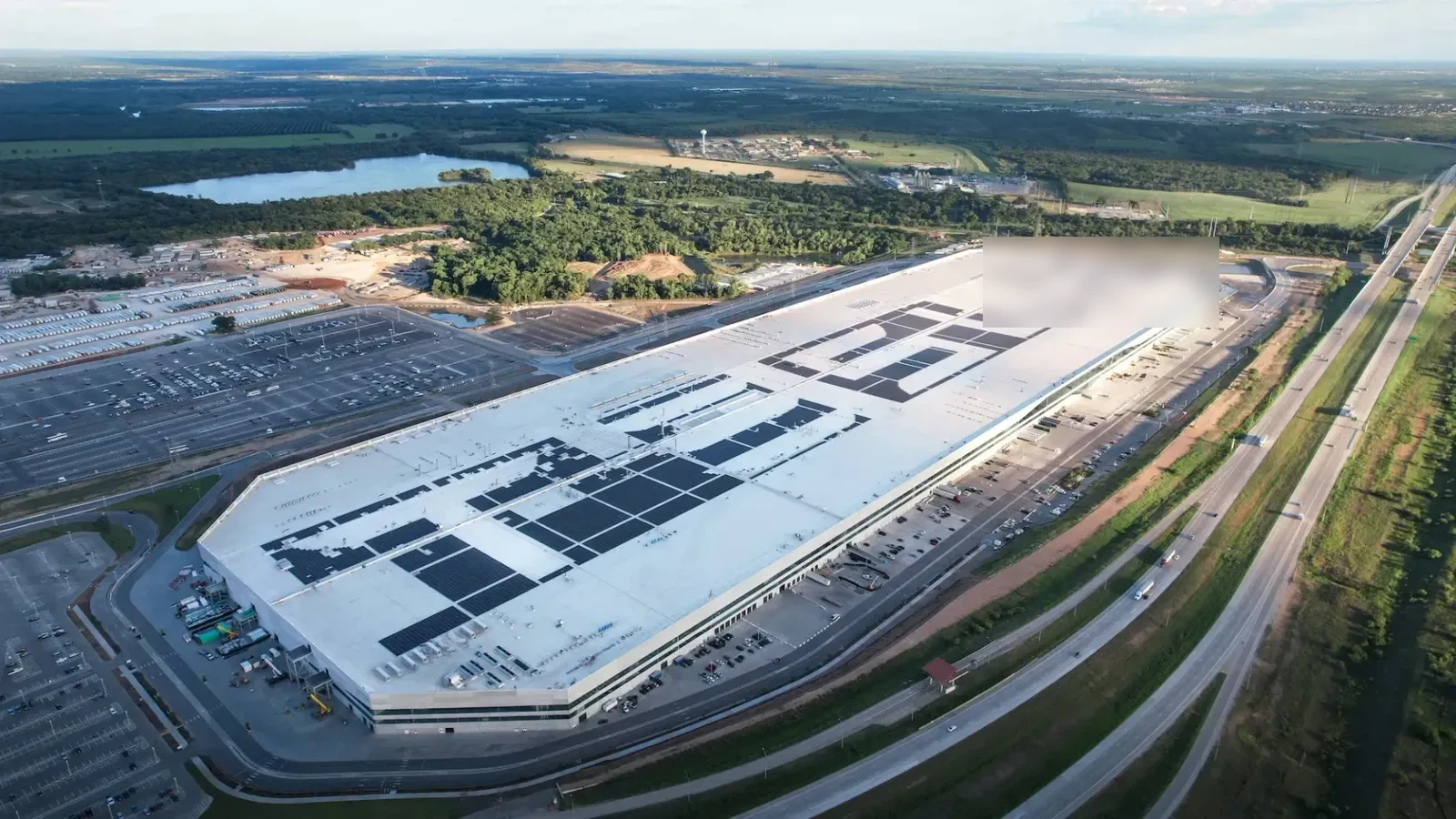
Connect the roof defect to the process area
Tell us where the leak appeared, what equipment or production activity sits below it and when the roof can be reached. We will trace the condition, set a repair boundary and identify any test needed before pricing a larger project.