
A low spot that stays wet after the snow is gone deserves a roof walk from the outlet to the nearest seam, and in an office building the first question is which suite the water reaches. Herriman, UT directs higher-intensity commercial uses toward Mountain View Corridor in its general plan, calls for retaining commercially zoned land to attract business and employment, and links mixed-use amenities with employment and daytime workers. A building that fills with daytime workers has people under its roof at the hours roofers prefer to work, so the walk starts with two lists: where water appears and when the building can be reached. Then we record the drains, edges, penetrations and any visible movement, and the repair line comes after the interior report and the roof findings have been compared.
Daytime offices: noise, dust and the ceiling grid
Tear-off and fastening make noise and dust that carry through a deck, and a call center, a clinic or a small office suite below feels both within minutes. We list the loud steps in the plan and set them for the hours the occupants can best accept, often early morning or after hours, with quieter work in the day. Fresh-air intakes get covered or kept clear, and debris is swept at the end of each shift. Above a ceiling grid, a leak can travel a long way along conduit and duct before it drops, so we ask which tiles have stained and in what order.
A roof that stays dry for the people under it depends on a record they can read. Our condition report ties each finding to a place on the roof and a room below, with photographs, so a property manager can answer a tenant without guessing.
Rooftop units serving offices make their own demands. A unit that serves a floor of daytime workers cannot be shut down for a long afternoon, so a curb repair is planned for a window the building can accept, and the roofer and the mechanical contractor agree beforehand on who closes the opening if the schedule slips. The roofing detail is finished and checked before the unit is reconnected.
Mountain View Corridor and the buildings that line it
Higher-intensity commercial uses along a corridor tend to mean larger roofs with more equipment, but the roof walk establishes what a particular building has. We map the structure, identify the access contact and set a route that fits the building: which hatch, which ladder, who holds the key and what hours the tenants allow. A building near the Bluffdale side of our work still needs its own address, roof plan and access approval, and a Draper property may share the valley's seasonal pattern while its details and exposure are inspected separately.
Where the roof plan and the field labels disagree, both identifiers go into the record until the owner confirms the preferred name. That small step makes a later repair traceable to the same zone.
The city also asks that commercial land be kept available for business and employment. For an owner, that is a reason to keep a current record of each roof, because a building that changes tenants or ownership is read by people who have never been on its roof, and a dated set of photographs answers their first questions faster than a phone call.
Snowmelt and the drain bowl
Salt Lake City International Airport's normals include recurring winter snowfall and snow-depth periods, which makes accumulation and melt a regional drainage stress. After a melt, we inspect the drain bowl, strainer, flashing and the low area around the outlet, then follow the slope toward seams and curbs. A drain and scupper repair should address the observed restriction or detail, not cover a symptom without checking the flow. Ice can hide a seam or make a section unsafe, and a dry surface later does not show how the assembly performed during the melt, so we note the limitation, photograph what is visible and set a return for a clear day.
If water remains after the drain clears, testing can show whether the insulation or the deck needs attention before a repair line is drawn.
Heat is the other half of the cycle. On a sun-facing slope the sheet runs hotter than the air, grows through the afternoon and contracts overnight, and the laps and curb corners absorb the difference. A hairline opening in August is the seam the next thaw finds, which is why the fall check presses on every cap joint and curb corner before snow arrives.
Repair, test or replace on a working building
A localized repair fits when sound membrane surrounds the defect and the tie-in can be made to compatible material. Repeated leaks, broad wet insulation or several open seams can lead to a test or a wider comparison. A commercial roof repair scope names the preparation, the materials, the limits, the protection below and the check made at completion, and it states what evidence would trigger a change if concealed conditions turn up.
A replacement discussion also needs roof access, removal limits, edge metal, insulation, penetrations, drainage and the weather window, and these details influence timing and cost more than a general square-foot assumption. We separate emergency water control from planned capital work, so the owner can choose what needs attention now and what can follow testing. A replacement scope lists the sections included and the temporary conditions that must be managed while the assembly is open.
Wet insulation is the finding that most often moves the line. A scan at dusk and a meter grid across the field show which sections hold water, and a few cores confirm the layers. If the wet area is small and contained, the repair removes it and closes the roof. If it spreads across several bays, the written comparison shows the owner what a replacement would remove, retain and protect, and the daily dry-in steps that keep the offices below usable.
Keeping the next visit useful
Seasonal visits are worth more when they compare the same roof zones and record what changed. A spring check follows the melt, and a later walk revisits a seam or drain that snow or access had restricted. For active water entry, emergency response is available around the clock, all week and on holidays, and safe access and temporary dry-in come before a permanent decision. The closeout file keeps dated photographs, roof labels, work limits, materials, tests and open questions, so an owner can decide whether to monitor, repair or plan a replacement. A capital planning review starts from confirmed conditions and the expected order of work.
Owners with property in nearby cities can send those addresses with the first request, and a manager who holds several buildings can have them walked in one trip and reported in one format.
Commercial Roofing Questions
What does a persistent low spot after snowmelt tell us?
It shows where water is collecting, but not by itself whether the membrane or the insulation failed. We inspect the outlet, the nearby seams and the area below, then decide whether a test is needed.
Can you inspect around daytime operations?
We confirm the roof route, the occupied areas, the noise windows and the staging with the site contact, and the work sequence records any restriction that affects access.
When should a repair become a replacement comparison?
When leaks repeat, moisture is widespread or several seams have failed. The findings define that choice.
What if snow or ice blocks part of the roof?
We mark the area that could not be checked and set a return for safe conditions. A covered section stays unconfirmed until it can be inspected.
How do you keep noise away from a call center below?
The loud steps go into the plan with their hours, the occupants approve the list, and we move the work away from sensitive rooms first.
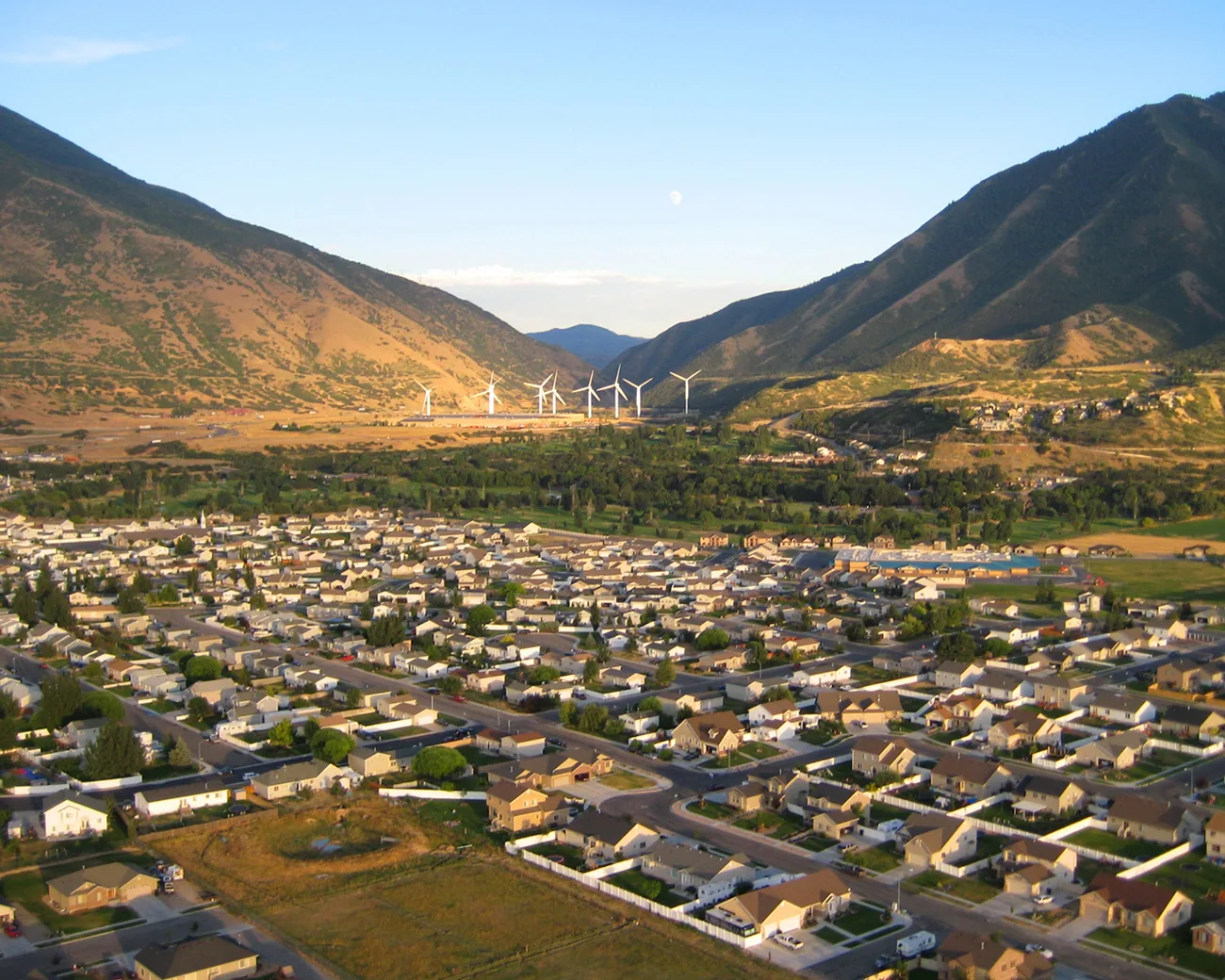
Map the water path in Herriman
Tell us where water appeared, whether it followed snowmelt or rain and how roof access works. We will inspect the reachable sections, document the likely path and set a repair line or test from the findings.