
A stain that darkens a ceiling grid in an office suite after a thaw can start at a rooftop duct three bays away, and in a building full of cooling equipment that is a likely place to look first. Draper, UT counts more than 1,000 businesses, names technology-sector companies among its local employers, and sorts its land-use plan into business and light-manufacturing, industrial and manufacturing, commercial, and office and service categories. Offices, labs and light-manufacturing space share one feature that matters to a roof: a lot of mechanical equipment sits on top of a room that cannot afford to get wet. We confirm the site, the access contact and the roof records, then walk the drains, seams, edges, penetrations and earlier patches, and write down what we could confirm and what needs a test.
Equipment curbs first: where an office roof opens
Cooling equipment and exhaust are what puncture an office or light-industrial roof most often. Each unit sits on a curb whose flashing moves with the sun, each refrigerant or conduit run crosses the sheet on a support that can wear a groove, and each service visit puts feet on the membrane along the same path. We look at the curb corners and the sealant at the base, the condition of the supports under pipes and conduit, the pads along the walking route and the condensate discharge points, since a line that drips on one spot all summer leaves a softened patch that fails first in winter.
Findings go on a sketch keyed to the roof zone, so a technician from the mechanical contractor and a roofer read the same page. A curb and support repair begins at the failed corner and ends where the membrane is sound, not at the edge of the unit.
Light-manufacturing space adds process exhaust to the list. A discharge that carries heat, oil mist or chemical vapor can stain and soften certain membranes within a few feet of the stack, and the stain is the cue to look closer. We note the discharge type in the file so a later repair uses a compatible material, and where the fan can take a splash pad or a taller stack, the membrane lasts longer. If a process cannot stop, repairs next to it are planned for a window when it can be shut down briefly.
Seasonal water paths on a flat roof
Salt Lake City International Airport's normals record recurring winter snowfall and a cold season of freezing nights, and the valley's elevation and exposure vary from one site to the next. After a melt, a drain bowl, a strainer, the flashing and the nearby seams are checked together, because one wet spot is rarely the whole diagnosis. We follow the water to the outlet and look for debris, a restriction or a path around a curb, a penetration or an edge. A drain and scupper service should correct the restriction while preserving the assembly around it.
If ice or unsafe footing blocks a complete walk, we mark the area as not reached and return when it is safe. Drainage work often raises the next question, which is whether water reached the insulation or the deck. We explain what a test can show, where it would go and which decision it informs.
Draper identifies FrontRunner and TRAX access as part of its economic-development setting, and a crew arriving by road still needs a gate, a hatch and a staging corner. Summer heat belongs in the same notes. Sun-facing slopes bake sealants and pull flashing terminations from walls, and a gap that looks like a hairline in September can fill with ice by January. We close those gaps in the fall check, tighten loose fasteners at the roof edge and confirm every unit has a sound collar before the first storm.
Tracing a report to a roof zone
A ceiling stain can sit well away from the opening above it. We compare the reported room with the slopes, drains, curbs and penetrations, then photograph confirmed conditions by roof zone. On a larger site we divide the roof into named sections and note which details belong to each one, which matters when a tenant's leak report comes from one roof level but an earlier repair sits on another. If the owner cannot identify a zone from the original drawings, we propose a simple naming scheme and confirm it before the report is final.
A condition report with labeled photographs separates observations from suspected causes, and a repair should end at material that can take a sound tie-in. If the route runs beneath the membrane or the insulation may be wet, a test narrows the question before pricing.
Access, occupied floors and sensitive rooms
Before arrival we confirm who approves roof entry, which ladder or hatch is authorized and whether an escort or fall-protection procedure applies. The facilities contact tells us about delivery periods, noise windows and tool routes, and a technical tenant may add vibration and dust limits near a lab or a server room. If access changes on the day, we pause until the contact confirms a safe path.
Some properties stay occupied during roof work. A phased occupied-building reroof can map the temporary dry-in, the daily closeout, the interior protection and the affected areas, and it names the person who can approve a schedule change. We keep the approved contacts, entry instructions and roof-zone names with the report and ask the owner to confirm any change.
Moisture testing earns its place on a roof over sensitive space. An infrared scan at dusk, with a meter grid behind it, outlines the wet insulation, and a few small cores confirm the layers and the depth. The map shows which sections can stay and which must come out, and it becomes the baseline for any later question about whether a new leak is related to an old one.
What the evidence supports: repair, test or replace
A localized repair fits when the surrounding membrane is sound and the tie-in is compatible. Repeated leaks, several open seams or widespread moisture can justify a test or a broader comparison. We separate emergency water control from permanent work. A repair scope names the preparation, the compatible materials, the protection below, the limits and the closeout check, and a replacement scope states what is included and which concealed conditions could affect price or timing.
Where buildings compete for capital, a roof capital plan groups confirmed needs by urgency and decision point, with open questions and unreached areas still visible. Owners nearby can book Sandy or Cottonwood Heights on the same trip.
For recurring service we schedule a walk after the melt and another before the first snow, track each open question by roof section and carry unresolved items into the next report. When water is entering, safe access and temporary control come first, and the permanent repair is defined afterward. The owner can choose the next step on the evidence and on the disruption the building can accept.
Commercial Roofing Questions
What should I send before an inspection?
The building address, any roof or asset labels, the leak location, the timing, prior repair records and the approved access contact. Those details help us prepare a focused route.
Can you coordinate a roof visit with active business hours?
Yes. We confirm the entry contact, escort, roof route, noise windows and work restrictions before setting the visit. Any area without safe access stays unconfirmed.
When is testing useful before a repair?
When the water path is unclear or hidden moisture could change the repair boundary. We explain the location, the method and the decision the result would inform.
Why do cooling units cause so many roof leaks?
Every unit adds a curb, lines and a service path. Sealant dries, corners move and foot traffic wears the sheet along the same route.
What is included in a replacement comparison?
The roof sections, the removal and protection assumptions, the access, the drainage, the penetrations and any concealed conditions that could change cost or schedule.
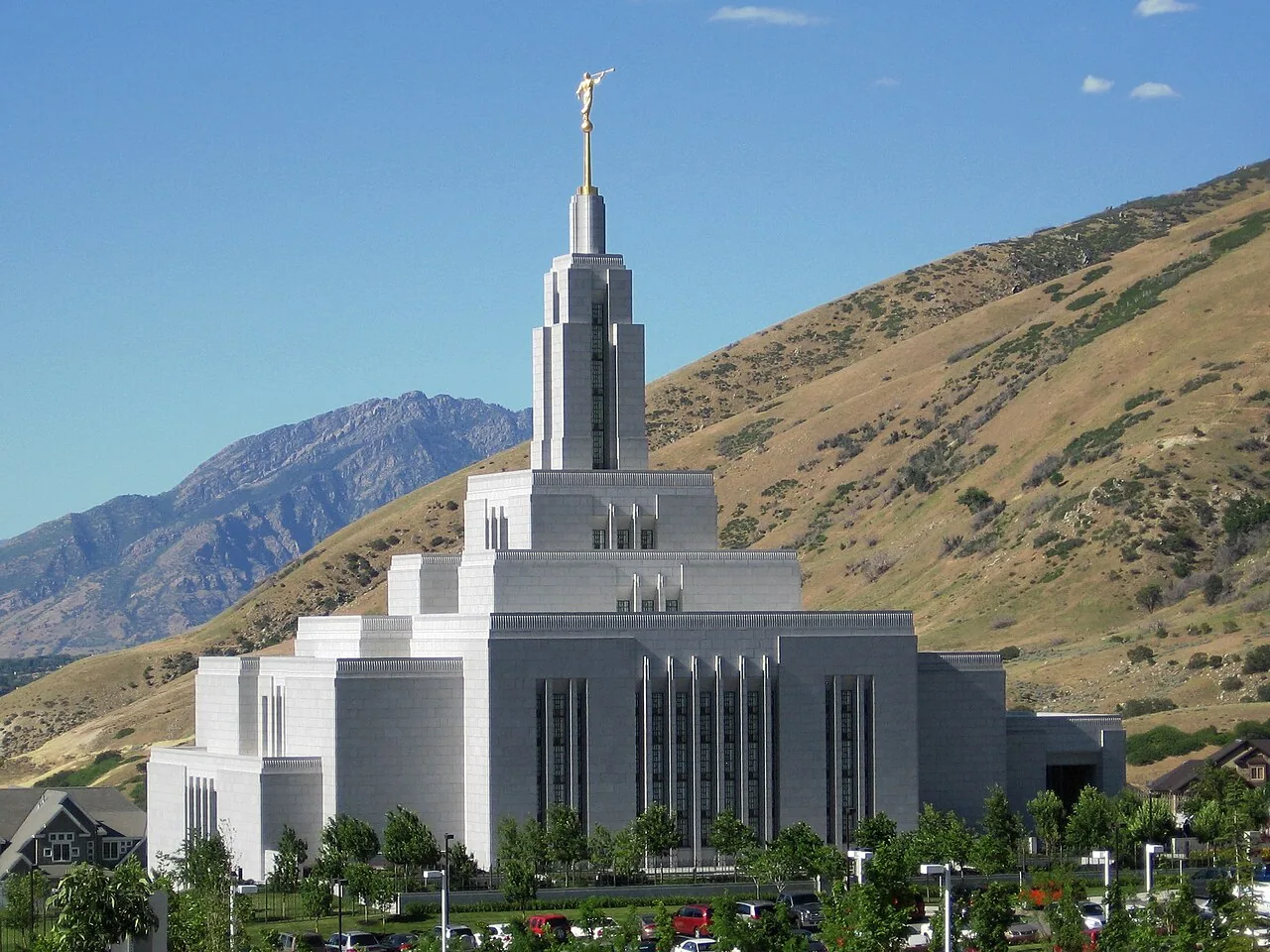
Set the next roof decision in Draper
Send the reported area, the building contact and the access limits. We will confirm what can be inspected, document the roof zones and outline the repair, test or planning step the findings support.