
Frost on a freezer ceiling can look like a roof leak, and a roof leak can vanish into insulation before it ever reaches the room, which is why the first job on a cold-storage roof is deciding which of the two you have. In West Jordan, UT the snowmelt and freezing nights of the Salt Lake Valley winter test the drainage of a flat roof every spring, and a cold building adds a second layer to the problem: the roof is the thin boundary between a room held far below freezing and an outdoors that swings from snow to summer sun. A drip that shows after a thaw and a drip that tracks the defrost cycle point at different causes. We start at the reported wet area, compare it with the building's temperature zones, then trace the membrane, drain details and penetrations that could connect to it.
Follow the moisture through the assembly
Water may enter at a seam, a curb, a drain or an edge, then move along a layer before it appears inside. We note when the ceiling is wet and compare that timing with defrost cycles, washdown and weather, because an interior mark that appears at the same hour every day is not behaving like a roof leak. Those observations help separate condensation from an opening, but the assembly still has to be checked. We inspect the membrane, the transitions and the vapor-control details that can be reached from above, and decide whether a test cut or an interior look is needed to settle the boundary.
Cold-room conditions make small discontinuities matter. A pipe added for refrigeration equipment needs a sealed transition that suits the membrane and has been coordinated with the mechanical work. We photograph the curb, the corners, the fasteners and the membrane turn-up, and a curb and equipment detail is scoped to the equipment's access and the layer it passes through, not left to a bead of sealant at the visible edge.
Drainage after snowmelt
Snow that melts across a roof leaves water at a drain bowl or a low spot, especially when debris slows the route. Salt Lake City International Airport's normals show recurring winter snowfall and snow-depth periods for the valley, and that pattern is the reason to check the path after a thaw. We inspect the bowl, the surrounding membrane and the outlet connection, then follow the low area uphill to see whether a seam or a curb redirects the water. The drain and scupper work has to restore the path and keep the membrane tied in around the outlet.
A shallow pond does not explain every interior drip. We compare the slope, the water mark, the temperature-zone boundary and the history, then decide what further check would change the scope. Freezing nights work on a wet seam or a flashing joint, and sun-facing surfaces take the summer heat. The roof itself tells us whether the next action is clearing, patching, testing or replacing a section.
Protect the vapor-control line
At a freezer, the vapor-control layer is part of the roof decision even when it cannot be seen from above. A cut around a pipe or a conduit can create a route for moisture that continues long after the membrane is patched. We coordinate the roof scope with the refrigeration and electrical trades, confirm who closes each penetration and inspect the surrounding materials before the area is covered. If interior access is needed, the facility contact names the room and the timing so the inspection does not interfere with safe operation.
Where testing finds wet insulation, the removal boundary follows the condition and not the stain. We note the material at the opening, check the perimeter and specify how the replacement layers are closed. A compatible insulation and cover board assembly depends on the existing deck, the temperature exposure and the project requirements, and hidden conditions that could widen the area are kept as separate allowances.
Repair the defect or reset the area
A repair can work when the opening is localized and the surrounding membrane is sound. A recover may be possible if the existing assembly is dry, secure and compatible with the added layer, but cold-storage conditions call for a close look at the vapor control and the insulation before anyone calls that route open. Repeated leakage, widespread wet material or failing transitions may call for removal and replacement. We document the condition at representative points and name where an extra test would change the choice, and a recover is evaluated only after the layers are understood.
Price and duration depend on the roof area, the deck, the insulation, the number of penetrations, the drain details, the access and the need to keep temperature-controlled operations running. If only one equipment zone is affected, we avoid describing the whole roof as failed. If several sections show the same movement, the broader pattern belongs in the owner's decision.
Cold-storage work around West Jordan
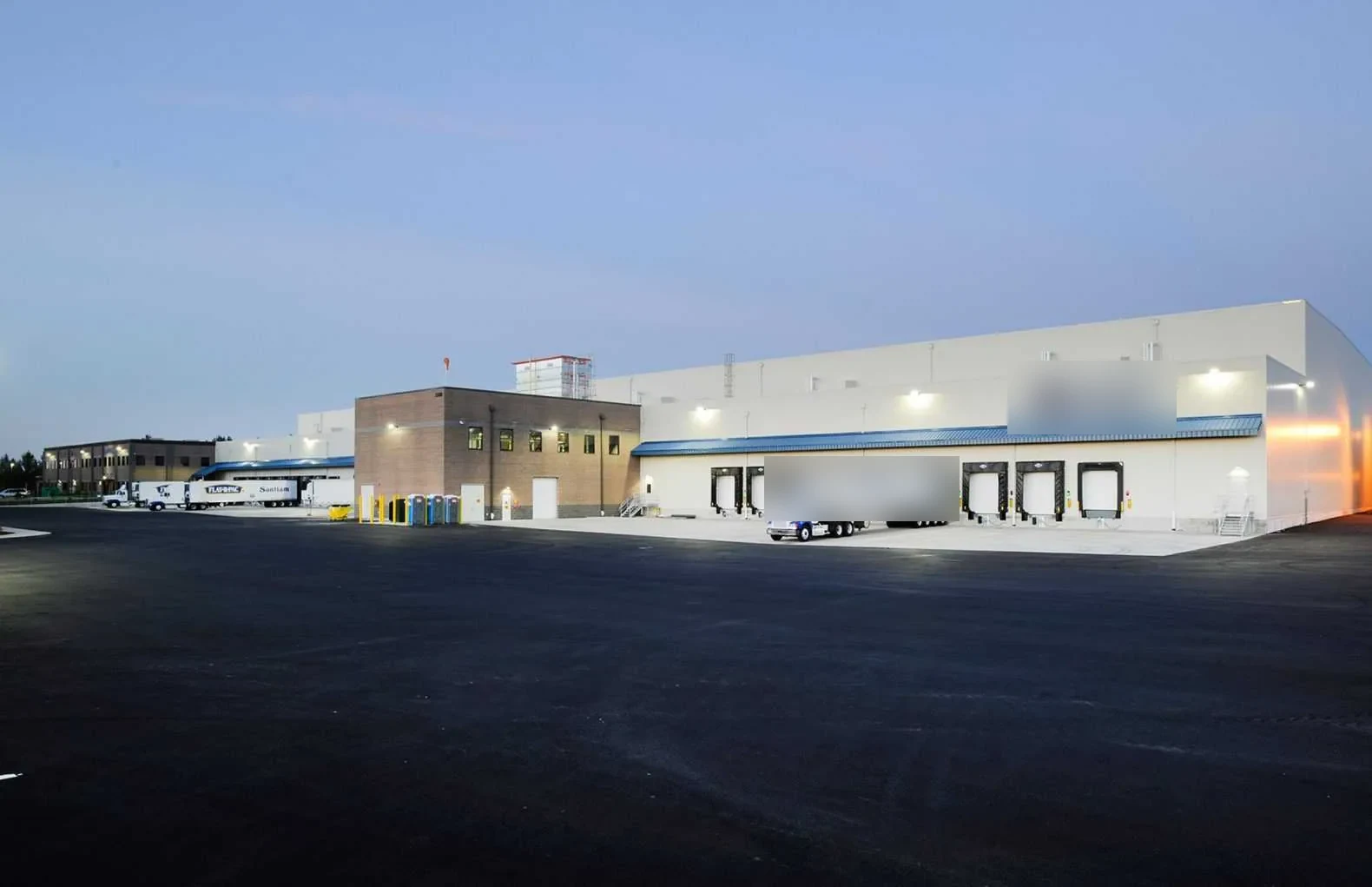
West Jordan reports access to I-15 and I-80, and its general plan supports commercial, service, office and mixed-use development with planned station areas. A refrigerated building near either interstate or inside a distribution cluster has trucks on a schedule, so the roof visit begins with the operator's own calendar: when the dock is quiet, which rooms are in defrost and who can open the roof hatch. We ask where the temperature-controlled rooms sit under the roof and what work windows the operator can release.
A warehouse roof has similar drain and edge questions, and a distribution center roof adds dock coordination. Cold storage adds vapor-control and temperature-zone checks to the route. Owners in West Jordan can schedule the walk around the cooling plant's own maintenance.
Coordinate the repair window
Before mobilization we confirm the roof access, the room access, the refrigeration coordination, the interior protection and the material staging. If the repair needs a test cut, the operator knows how the area will be closed and when the result will be reviewed. Work timing depends on surface conditions and compatible installation temperatures, so the schedule keeps a practical alternate window. Any open assembly gets a dry-in plan at the end of the shift.
After the work, we record the repaired seam or penetration and note any area that needs another look. A maintenance visit can revisit the drains, curbs and edge details before melt, with the findings tied to the same roof map.
Commercial Roofing Questions
How do you tell condensation from a roof leak?
We compare the timing and location of the moisture with defrost or washdown activity, then inspect the roof above for openings, wet insulation and detail failures. Testing may be needed when the assembly hides the path.
Can a freezer roof be patched without stopping operations?
The sequence depends on roof access, interior protection, installation conditions and whether refrigeration or electrical work must move. We map the affected zone and coordinate a complete dry-in with the operator before opening the assembly.
Why does insulation condition matter to a cold-storage repair?
Wet or displaced insulation changes the repair boundary and the thermal assembly. We inspect representative areas and name where removal or testing is needed before choosing replacement layers or pricing a recover.
Is a recover a good option for a cold-storage roof?
Only when the existing roof is dry enough, secure and compatible with the added layers, including the vapor-control details. We check those conditions before treating a recover as a viable scope.
What information helps schedule the roof work?
The affected rooms, the temperature zones, the access rules, the defrost timing and any equipment work. Those set the sequence, the dry-in plan and an alternate window.
Trace the moisture before choosing the scope
Tell us when moisture appears, which temperature-controlled area is affected and how roof and room access work. We will inspect the related seams, drains and penetrations and explain what needs testing before we price the repair.