
A damp ceiling tile after a warm afternoon can point to water that crossed the roof before it showed indoors, and in a city of warehouses and shops that crossing is often a long one. South Salt Lake, UT reports more than 3,200 businesses and says much of its land is zoned for business or mixed-use development. Retail, manufacturing, warehouse and distribution firms appear among its local sectors, and the city calls its downtown corridor an area of ongoing commercial and residential redevelopment. That adds up to wide low-slope roofs, loading docks and a growing number of buildings that mix uses. We inspect the actual assembly, follow the water path back to drains, seams and penetrations, and mark what the roof walk confirms. A commercial roof inspection gives the owner a practical basis for a repair, a test or a larger project.
Drainage first: follow the low path
When water sits near a drain, we check the bowl, the strainer, the flashing and the surface around the outlet before recommending a patch. A low spot can hold meltwater even when the bowl is open, and wet insulation can remain after the roof surface dries. We trace the slope toward the reported leak and photograph any split seam, edge movement or soft area. A drain and scupper repair should restore the water path without trapping moisture behind a new tie-in.
A stain is a clue, not a roof map. Water can travel under the membrane around a curb or along a seam, then appear indoors away from the opening. We compare the room location with the roof framing, check nearby penetrations and test suspected wet insulation when the visible evidence does not settle the question. If a broad low area is part of the problem, ponding water roof work needs to address the cause and the membrane condition together.
Docks, canopies and the roofs that serve them
Warehouse and distribution uses put dock canopies, lower roofs beside tall walls and rooftop equipment on the same buildings, and each has its own failure habit. A canopy catches snow that slides off the high roof and holds it against the wall. A lower roof beneath a tall wall carries the drift and the ice. The edge metal above a dock door takes the weight of icicles and the vibration of trucks. We look at those places first on an industrial building, and we note whether the outlets discharge toward a drive lane, where ice becomes a hazard.
The Northwest Quadrant notes cover a larger deck, and a building in South Salt Lake that serves a single tenant or a few can often be walked in a morning.
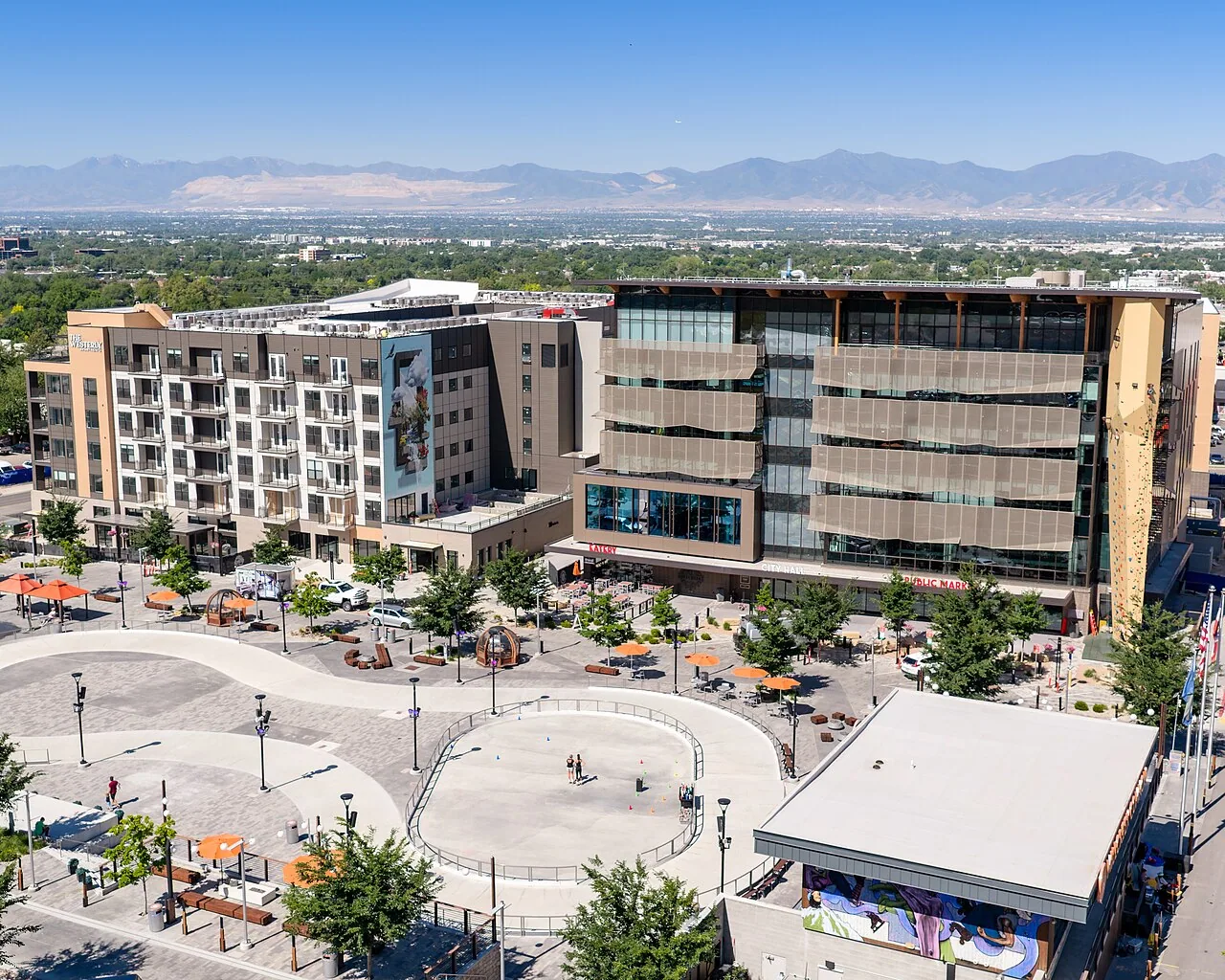
Downtown redevelopment adds a different question. A building in the corridor that is being converted from one use to another carries a roof laid for the first use, and its capped stacks, old curbs and patched openings need to be sorted into active, abandoned and unknown before new equipment is set. A dated set of photographs before the conversion starts protects the owner when a leak appears afterward.
Roof-walk record: note what is sound
On a first walk, we record the roof sections reached, the outlets, seams, curbs, edges and areas that could not be accessed. Photographs show the damaged detail in context, and notes connect each observation to a location. If a roof has several work zones or active loading areas, we identify a safe route and the hours available for inspection. A loose edge can admit water even where the field membrane looks intact, and a failed curb flashing can leak while the seam below holds, so we do not infer the membrane type from the business category.
If the building stays occupied during work, an occupied-building sequence can break the work into manageable areas, with protection and daily dry-in noted before material is opened. That detail matters where a service entrance, a tenant area or an equipment route cannot simply be closed.
When one tenant leaves and another arrives, the new equipment sits on the old membrane, so each curb flashing has to be right the first time. We mark spare curb locations and walk paths on the sketch so new openings land on sound material and away from low spots.
Repair or replace: setting the boundary
A contained repair can work when the surrounding surface remains stable and the insulation is dry enough for a proper tie-in. We inspect the affected seam, the adjacent field and the flashing, and open a test area if moisture is uncertain. If water has spread under the membrane or several details have failed, repeating small patches may leave the larger condition active. A commercial repair scope should identify the area being corrected, the material tie-in and any further test that affects the final boundary.
When the roof has widespread wear, a replacement plan may be the clearer path. A recover depends on the existing layers, the substrate, the drainage and the code requirements; it cannot solve wet insulation or a structural issue by adding another surface.
The roof system, wet insulation, edge work, access, protection and the share of the field that must open decide price and timing. We spell those drivers out in the written scope, so an owner can see what the current leak requires and what can be scheduled after the assembly is better understood.
Timing: fit the work to the building
Snowfall, melt and cold-season freezing in the Salt Lake Valley make outlet checks useful after a weather shift, and Salt Lake City International Airport's normals describe that pattern. We confirm surface temperature, roof access and the installation needs of the existing system before scheduling a repair. For a larger replacement, planning also covers deliveries, tenant notices, protection beneath the open area and the sequence that leaves the roof dry at each shift's end. A corridor's redevelopment may affect traffic or staging, but the building contact confirms the actual access route.
When the roof is stable, a preventive maintenance visit can clear reachable drains, check seams and update the condition notes. If water is active, emergency response is available all day and overnight, including holidays.
A first step can be modest. Clearing an outlet, tracing a seam, testing suspected wet insulation or protecting an active opening are all reasonable first decisions, and a broader project follows when the evidence supports it.
Before the site visit
Tell us which room or area showed water, when it appeared and whether the roof is accessible during normal operations. Share repair records or roof plans if you have them, and point out equipment, loading areas or tenant schedules that affect staging. We will document the sections reached, locate the details that may connect to the leak and identify whether a moisture test or a return visit is needed. If an area could not be inspected, we keep that limit visible in the scope. We also work in Murray and West Valley City, and each property receives its own review.
Commercial Roofing Questions
Does a warehouse or retail use tell you what membrane is installed?
No. The building use helps us ask about access and operations, but we identify the membrane, attachment and insulation on the roof before choosing materials.
What should be checked after water ponds near a drain?
We inspect the bowl, the flashing, the nearby low area and the insulation below any soft or damaged surface. The outlet and the roof slope both matter to the repair decision.
Can a roof leak be away from the ceiling stain?
Yes. Water can travel below the membrane before entering the room. We compare the interior location with the framing and inspect nearby seams, curbs and penetrations.
How do you keep a repair from disrupting a business?
We confirm access, tenant hours, staging and areas that must remain open. The work sequence then sets protection and dry-in around those operating needs.
When should we compare repair with replacement?
When failures recur, moisture extends beyond a small area or the assembly cannot support a reliable tie-in. We document the roof condition and explain the boundary for each option.
Start with the water path
Share where water appeared, when it happened and what access the building allows. We will inspect the reachable roof details, record the condition and explain what must be confirmed before we set the repair scope.