A remodel that refreshes the storefront and the interior while leaving the roof alone is the usual setup for a leak eighteen months later. West Valley City, UT lists the Decker Lake Station Overlay Zone as a commercial overlay for development near transit, and its urban-design plan expects older commercial properties along corridors to be remodeled or upgraded as redevelopment occurs. That describes a lot of roofs: low-slope, already patched and about to be asked to protect a new investment inside. On a property like that, the walk begins at the outlet and climbs to whatever feeds it, a seam, a loose edge or a plugged bowl, and the notes record what is sound, what has moved and where one small test would settle the question. If the remodel changes the use, retail becoming food service for example, the exhaust and grease questions get raised before the unit is ordered.
Repair line: before the remodel closes the ceilings
The cheapest time to settle a roof question is before new ceilings, finishes and fixtures go in below it. A roof that leaks onto fresh drywall costs the owner twice. We walk the roof before the remodel starts, mark every active leak and every doubtful area, and tell the owner whether a patch, a coating or a replacement fits the plan. The deciding evidence is plain: a membrane that bonds around the defect, insulation that tests dry, a deck that does not give underfoot.
We price a repair and a replacement from the same findings and, where the roof is a candidate, a recover as well. Layers, wet insulation, penetrations, access and the space below drive each number, and the proposal lists them beside the photographs and readings that support them.
Insurance and lease dates enter here too. If a tenant improvement allowance is spent on interior work and the roof leaks onto it, the argument about who owns the leak starts from whatever record exists, and a dated set of roof photographs taken before the work settles most of it. The walk before the remodel is the cheapest insurance an owner buys on the project.
What failed first: patches on patches
Older commercial roofs often carry a history of small repairs: a smear of mastic at a seam, a strip of tape at a pipe, a bead of sealant along a coping. Each worked for a season, and together they form a map of where the roof wants to fail. When the same area has been patched three times, the patch is no longer the answer. We look at where patches cluster, whether they share a cause such as a low spot or a high drain, and whether the membrane beneath them is still sound.
Old patches also hide wet insulation. An infrared moisture survey finds the wet areas without cutting the roof open, which keeps a remodel budget from carrying surprises. Where a membrane is split through in the field, a membrane puncture repair may be enough, but only when the insulation below is dry.
Roof-walk notes: what a remodel changes up there
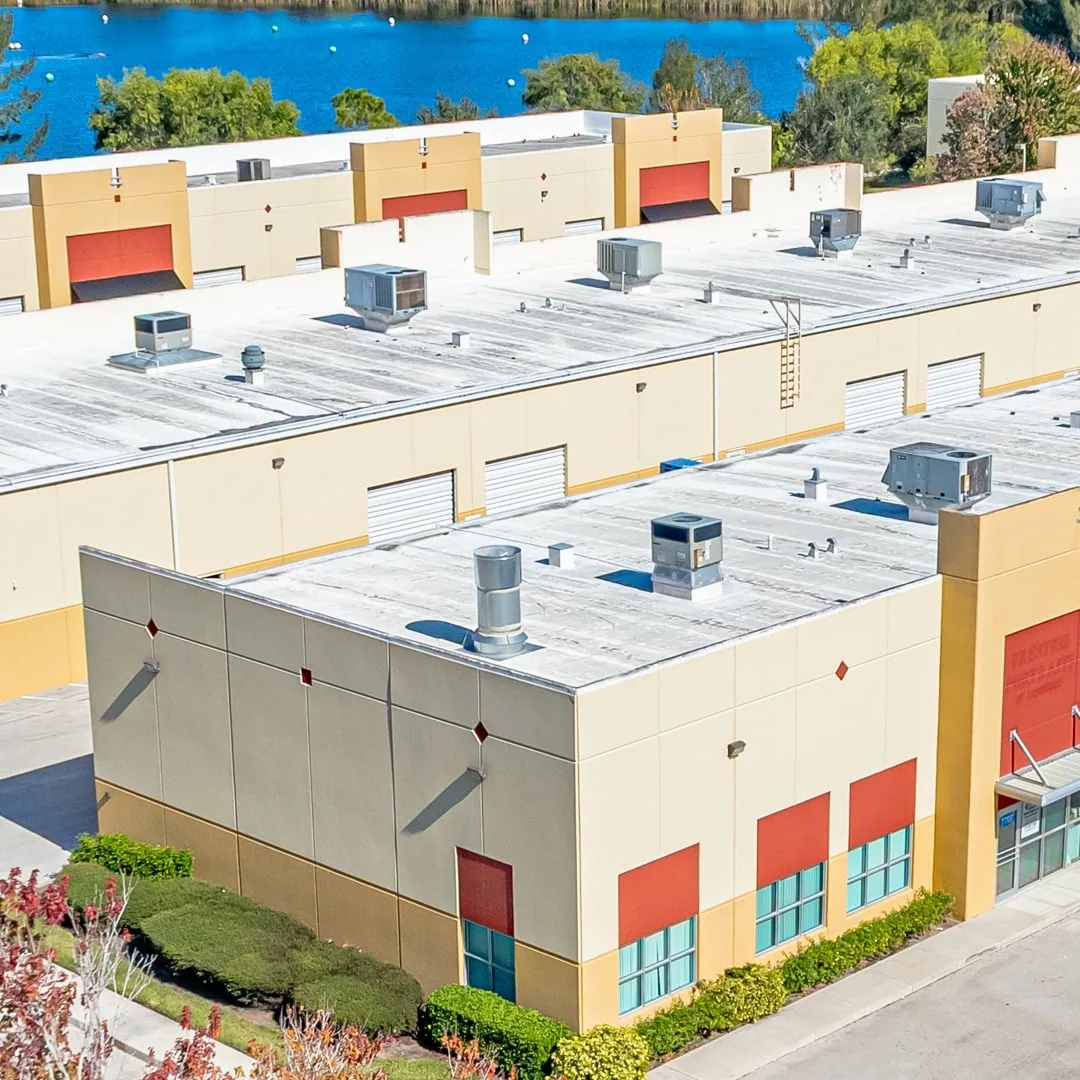
A remodel often changes the rooftop even when the roof itself is not on the list. New heating and cooling units, new exhaust, new signage and new mechanical screens all land on the roof, and each adds a curb, a set of lines, a service path and weight. The walk records the curb condition and the membrane turn at each existing unit, the places where a new unit or vent will cut the membrane, the drain locations compared with the new loads, the walk paths worn by technicians, and the edge metal and counterflashing near signs and screens.
Marking those points before the work saves cutting a new hole in a weak area. A roof condition report gives the architect, the owner and the lender the same picture of the roof before the budget is set.
Signs and screens deserve a line. A new rooftop screen fastened through the membrane, or a sign bracket bolted to a parapet, gives water a path behind the flashing, and the stain that results shows up on the new interior finish. We mark every fastener location on the drawings so the penetration is flashed when it is cut, not patched after the first leak.
Drainage and melt: why old flat roofs hold water
Repeated winter snowfall, a freezing cold season and warm summers at the Salt Lake City airport are why drainage gets checked first after a melt. Older flat roofs tend to hold water in places: the deck may have deflected, the insulation may have compressed, or a drain may have been set higher than the surrounding membrane. Water that stays puts a standing load on the seams beneath it, ages the surface faster and gives a freeze-thaw cycle something to work on.
Snow that melts on a sun-facing slope can refreeze at the edge or in a drain bowl and push water under a lap or behind a flashing. Tapered insulation added at a replacement, or a drain reset, solves the low spot for good.
A short walk after the first melt following the remodel closes the loop. We recheck the new curbs, the drain nearest the new units and any patch made during construction, and the result goes into the file beside the pre-remodel photographs.
Fitting the roof into the remodel schedule
A roof schedule inside a remodel has to meet the trades below it. We ask the owner or contractor about demolition dates, ceiling installation, tenant opening dates and access, then place the roof work ahead of the interior finishes. A section stays closed until the dry-in can be finished the same day. Adhesives and welds have temperature limits, and a roof laid in a cold week behaves differently from one laid in July.
Owners with other properties nearby can plan visits together, for example at the Fairbourne Station District or elsewhere in West Valley City.
Next check: what to bring to the first walk
Bring a roof sketch, any remodel drawings, the dates and rooms of leak reports, repair invoices and the demolition and opening schedule, and we will size the record to the job. If the property sits on a major street and the city expects site maintenance there, mention it, and we will include a quick check of roof-edge drainage and visible conditions along the street side.
Tell us also whether the property changes hands or leases soon. A buyer or a new tenant will read the roof record, and a clean dated file shortens that conversation.
Commercial Roofing Questions
Should the roof be done before or after the remodel?
Before the finishes go in, or at least before the ceilings close. A leak on new drywall costs the owner twice, so the roof walk comes first.
Can a recover go over an older roof?
Sometimes. We open a test area to see how many layers are there and whether the insulation is wet, since another layer adds weight and can hide moisture.
Will new rooftop equipment harm the membrane?
Cutting the membrane for a new curb is routine when it is done properly. We mark the location, reinforce the area and flash the curb so the roof stays sealed.
How do you find wet insulation under an old roof?
An infrared survey reads temperature differences after a sunny day, then we confirm the marked areas with a moisture reading or a small core.
What if the remodel changes retail into a kitchen?
Exhaust and grease questions come first. We locate the fan, the containment and the curb before the unit is ordered, and we pick a membrane that tolerates the exposure.
Tell us what the remodel will touch
Share the remodel dates, the rooms that leak and how a crew would reach the roof. We will follow the likely water path and set the next test or repair line from the evidence.