
Meltwater that runs off a roof edge onto a sidewalk at nine in the morning is the kind of detail an office manager hears about by lunchtime. Cottonwood Heights identifies Fort Union Boulevard and 2300 East as a mixed-use activity center, calls for compact walkable development and supports retail and office uses in its strategic commercial areas. It also has a commercial form-based-code effort focused on the Union Park, Highland Drive and 2300 East areas. Compact and walkable means buildings and people sit close together, so a roof here has to behave well at its edges as well as in its field. We start the walk at the eave and the downspout, then work inward to the drains, curbs and seams.
What failed first: what falls from the edge
On a building close to a sidewalk, the first sign of a roof problem is often what comes off it. Water runs from a downspout that has pulled loose. Ice forms below a gutter that sagged. A piece of coping lifts in a gust and lands near a door. Each of these is a roof edge failing, and each reaches people before it reaches the ceiling.
We check the edge metal, the brackets, the gutter slope, the downspout connections and the place where each one discharges. We look for staining on the wall below the roof, since a streak or a pale patch shows where water has been running for a while. Findings are photographed and located on the sketch, with a note on whether the cause looks sudden or gradual.
Timing helps sort cause. A failure that appeared after one storm points to an event, such as a gust that lifted metal. A stain that has grown over several winters points to slow wear, such as a seam that opens a little more each freeze. The report records which pattern the evidence supports and leaves the other open until a test settles it.
Roof-walk notes: office and retail roofs side by side
Office roofs and retail roofs have different habits. Office roofs often carry more equipment, so curbs, supports and condensate lines dominate the notes. Retail roofs often have larger open fields with longer runs to the drains, so falls and ponding dominate. Mixed-use buildings can have both.
- Gutters, downspouts and discharge points
- Coping joints, edge metal and fasteners
- Equipment curbs, walk paths and condensate lines
- Drains, scuppers and overflow openings
- Seams, laps and prior patches with a condition rating
The record is built to be repeated. A preventive maintenance visit each spring and fall compares the roof with the last set of photographs and flags anything that changed.
Walk paths to equipment get their own line in the notes. A worn path along a seam shows where technicians cross the membrane, and a walk pad laid there protects the roof from the next hundred trips.
Drainage and melt: what the airport record can and cannot say
Winter snow, freezing nights and warm summers all show in the weather record kept at the Salt Lake City airport. They describe the valley, and the foothills near Cottonwood Heights can differ in elevation and exposure. We use them as a reason to check, not as a measure of this roof.
After a melt, the walk covers every outlet and every low spot, and it notes ice at the eave and in gutters. Because compact development places walkways close to roof edges, we also note where snow could slide from a sloped section, whether guards or a lower roof sit below, and how the meltwater reaches the ground. Where those answers are unclear, the report says what would settle them.
Warm summers matter at the same details. Metal edges expand and contract with the afternoon sun, and the sealant at each joint takes that movement. A bead that looks intact in a photograph can be split at the surface, so joints are pressed and probed by hand.
Repair boundary: edge, equipment zone or field
Edge repairs, equipment-zone repairs and field repairs are different jobs with different boundaries. A sagging gutter can be reset without touching the membrane. A cracked curb corner can be rebuilt with reinforced flashing without disturbing the units. A field with open seams or wet insulation needs a larger scope. We mark each boundary on the sketch and write what lies outside it.
When several areas need work, a staged plan lets the owner fund the worst first. A commercial roof repair takes care of the active leaks now, and a later replacement can be planned when the evidence shows the field has reached the end of what repair can do.
Price and schedule come from the edge length to rebuild, curb and penetration counts, wet insulation, layers and access. The proposal puts each driver next to its evidence, so a manager can explain the numbers to an owner without guessing.
Seasonal timing: tenants, hours and the calendar
Retail and office tenants keep different hours. We ask for them, then schedule noisy tasks for the quietest period and keep lifts away from entrances. Where tenants share parking, the plan notes the days the lot is fullest and avoids placing material or equipment there.
Cold limits adhesives and welds, so larger projects are scheduled for warm, dry stretches. Any replacement scope is checked with the building department for insulation and edge requirements before it is priced. Small repairs can go ahead in winter when the surface can be cleared and dried.
The plan is posted where the manager can see it: the work area for the day, the hours, the lift position and the person who can pause the job.
Next check: what to share before the visit
Tell us where water or ice shows up, when it appears and how roof access works. A roof plan, any maintenance log and the dates of tenant complaints will help us tie findings to places.
Owners with other property along Fort Union Boulevard or in Canyon Centre can keep one record across buildings, which makes the maintenance calendar easier to run.
A short written record follows, sorted into pre-freeze work, spring work and items to watch. The next maintenance visit starts from that list.
The short written record that follows each visit is the document an owner can hand to a lender, a tenant or a buyer without a second walk.
Commercial Roofing Questions
What should a manager check after a thaw?
The downspout discharge, the gutters, the drains and any ice at the eave. Photograph what you see and note the date. Repeat the check after the next thaw, since ice dams often return in the same place.
Can snow guards help?
Sometimes, on sloped sections above walkways. We check what sits below and whether the roof structure can carry the guards. Guards are a snow-load decision as well as a roofing one. Hard-packed snow can hide a guard or a bracket, so we confirm attachment on a clear day.
How often should maintenance visits happen?
Twice a year is a common rhythm, in spring and fall, with a quick check after any major event. Each visit is compared with the photographs from the last. A change in the calendar usually follows a change in the weather or the lease.
Do office roofs need different care than retail roofs?
Usually more attention to equipment curbs and condensate. Retail roofs more often need attention to falls and ponding. Mixed-use buildings need both.
Can a recent building still have an older roof layer?
Yes. A building may have been remodeled while an earlier roof layer stayed in place, which is why we count layers by probe or small opening before pricing anything.
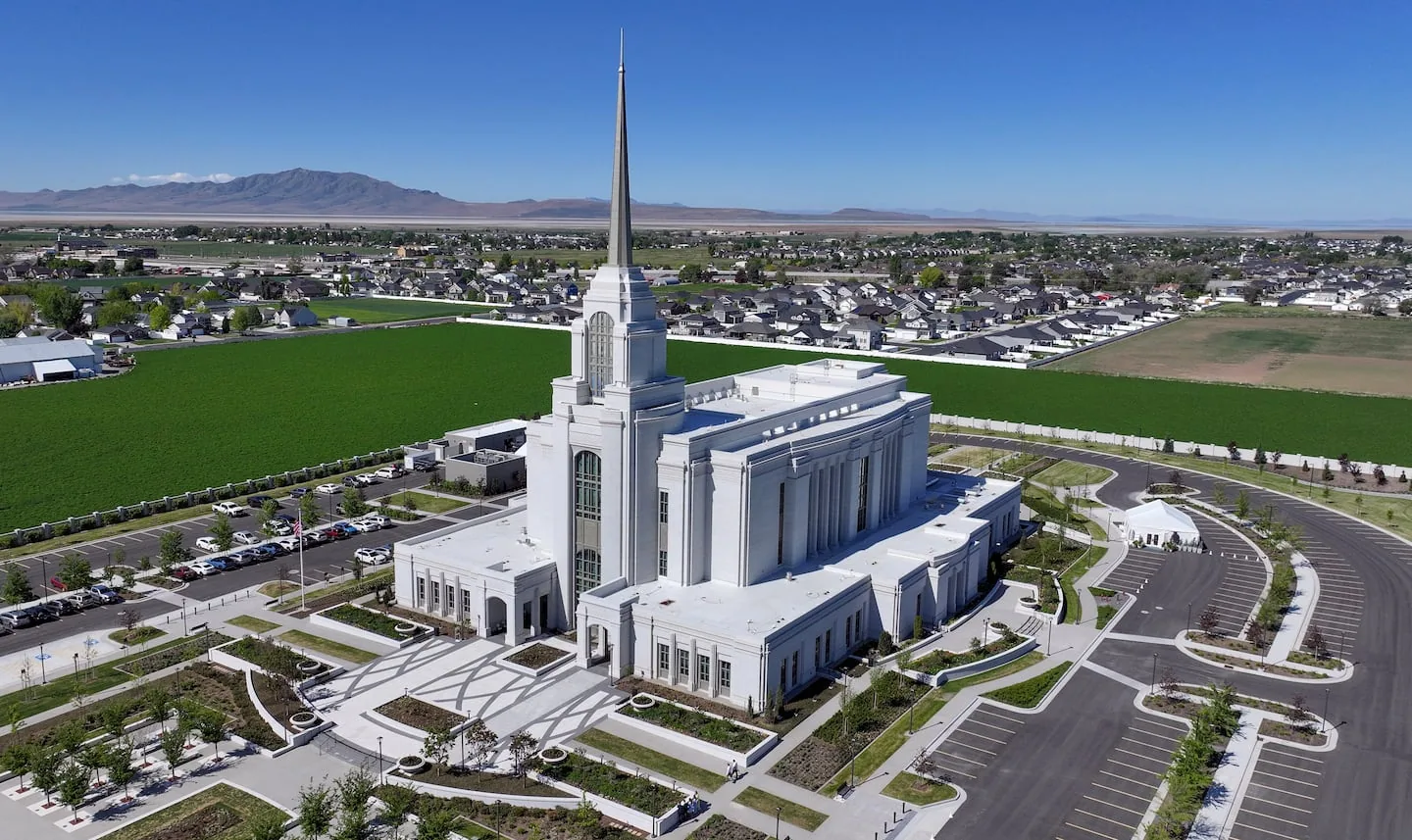
Start at the edge
Tell us where water or ice shows up, when it appears and how roof access works. We will walk from the eave inward and set a repair boundary or next check from the evidence.